Published : 2025-11-07
When it comes to volcanic eruptions, what comes to mind? Japan? Indonesia? Or scenes from a disaster film?
Actually, China also has active volcanoes, 14 of them in fact, one of which is considered by experts to be the most dangerous...
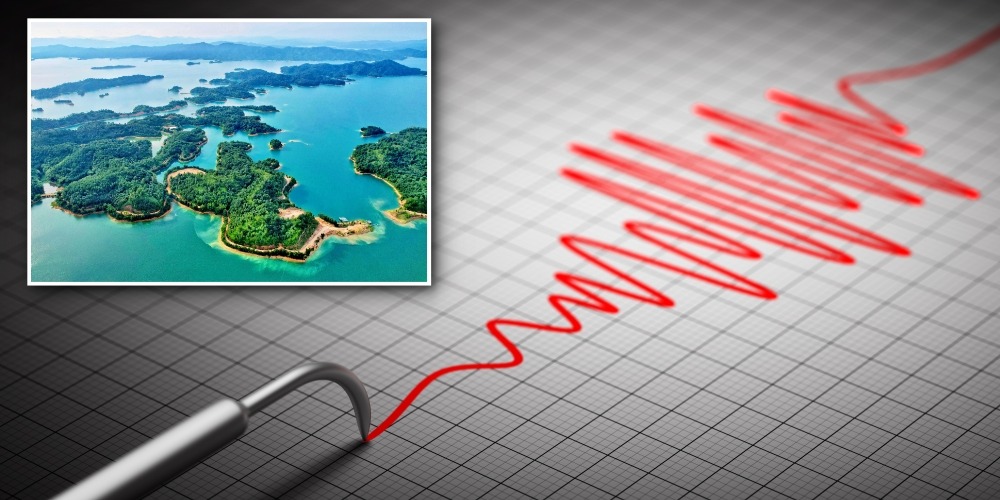
There is a super volcano in Hong Kong's Sai Kung
Volcanoes are mountains formed by the eruption and accumulation of magma from within the Earth's crust. They are mainly divided into two types: extinct volcanoes and active volcanoes.
An extinct volcano refers to a volcano that has never been active during human history and is almost certain not to erupt again. This type of volcano is the most widely distributed in the world, and many no longer have the "shape" of a volcano.
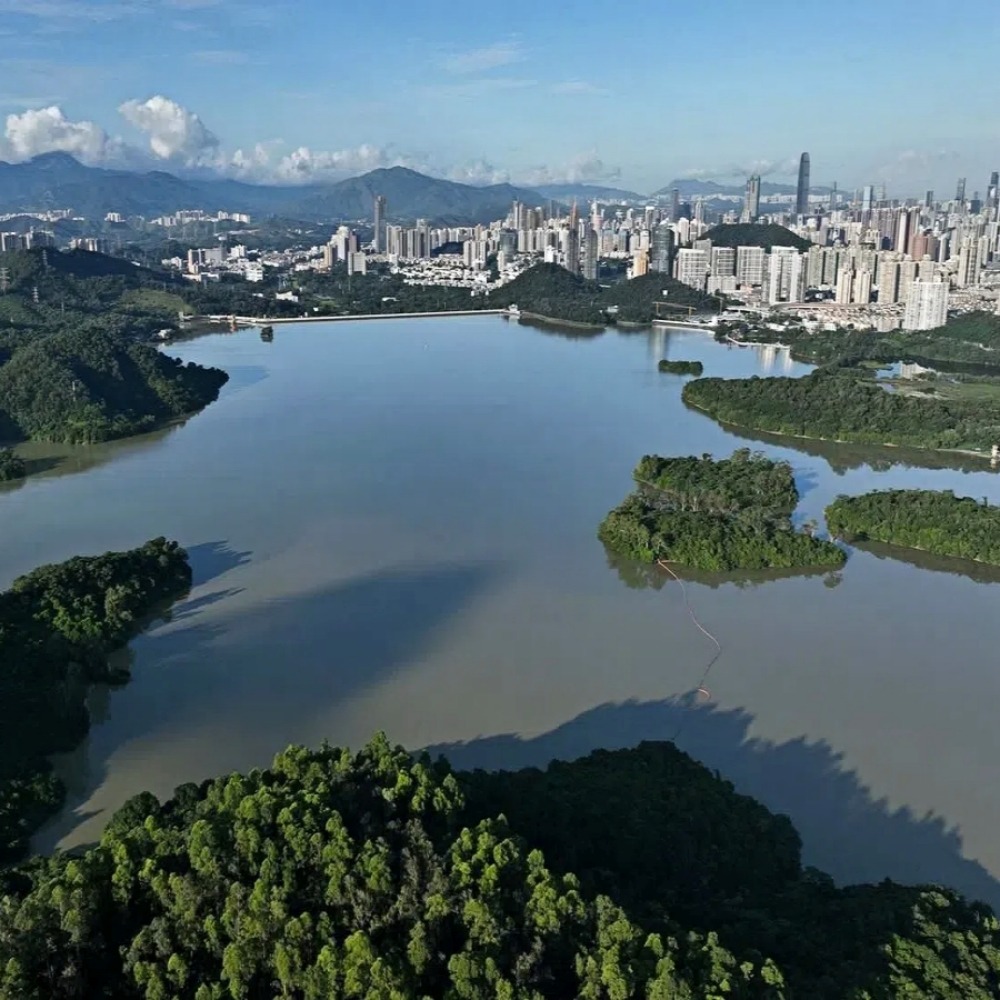
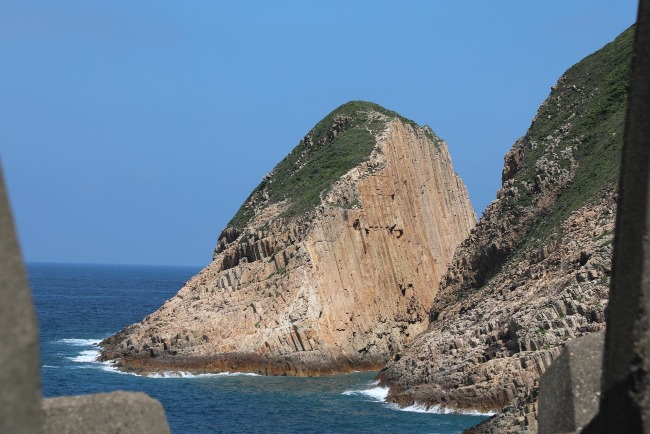
For example, in Sai Kung, Hong Kong, there is the High Island Supervolcano, which erupted 140 million years ago in prehistoric times and is now an extinct volcano.
An active volcano is one that is still active today and may erupt. Volcanic eruptions can spew out high-temperature lava, volcanic ash, and harmful gases, and are often accompanied by earthquakes, potentially causing major destruction to the surrounding area.
On a geological timescale, the term "present day" in the context of volcanic activity covers a very long period of time. The last eruption of some active volcanoes may have been hundreds, or even thousands, of years ago.
For example, the famous Mount Fuji in Japan is an active volcano, and its last eruption was in 1707.
What is the difference between an active volcano and an extinct volcano?
According to statistics, there are more than 500 active volcanoes worldwide. The countries with the most active volcanoes are Indonesia and Japan, with about one-third of the Earth's active volcanoes located within these two "volcanic nations".
Besides extinct and active volcanoes, you may have heard of dormant volcanoes or sleeping volcanoes. This refers to volcanoes that have been active in human history but are currently in a "dormant" state.
However, its definition is rather vague and has been used less in recent years. For example, Mount Fuji was previously considered a typical dormant volcano, but is now classified as an active volcano.
Because active volcanoes are "alive", people are more interested in them. So, how many active volcanoes are there in China, and where are they located?
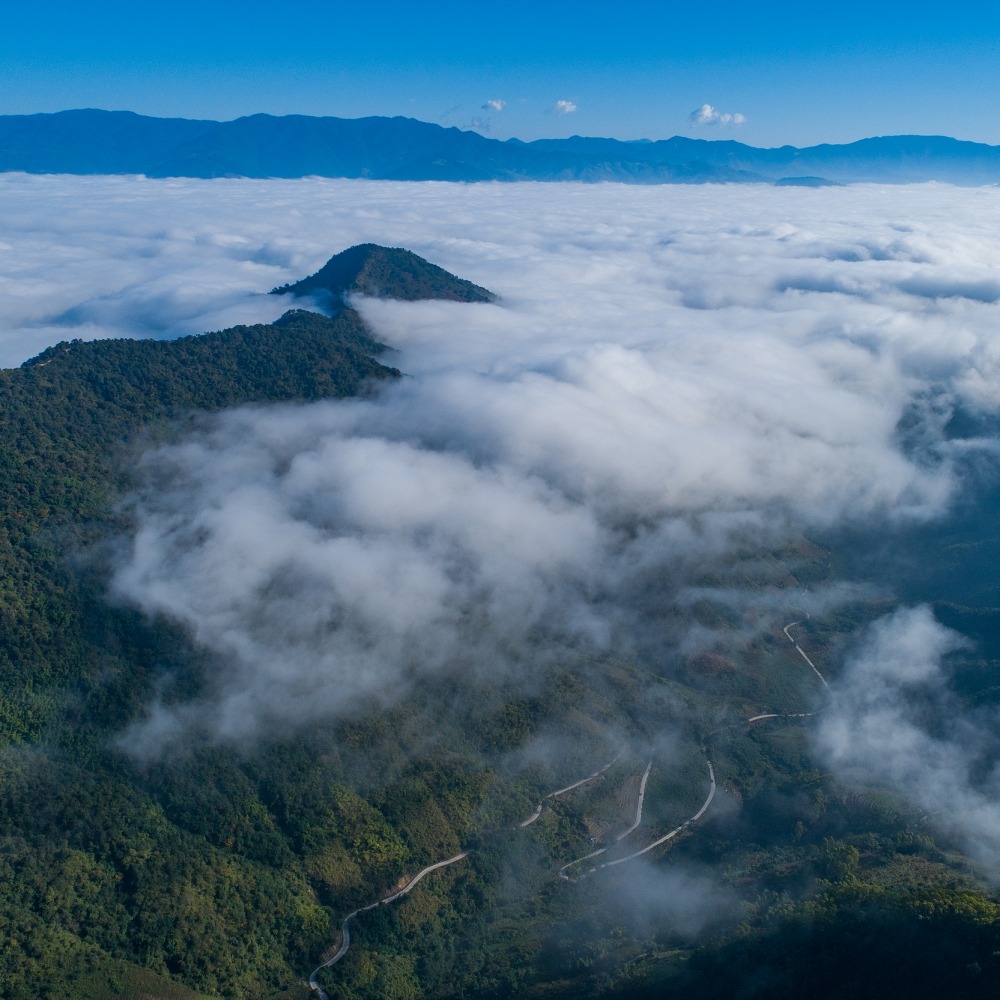
China does not have many active volcanoes. Current statistics show a total of 14. These include the Wudalianchi (五大連池), Jingpo Lake (鏡泊湖), and Keluo volcanoes in Heilongjiang Province, and the Changbai Mountain Heaven Lake (長白山天池) and Longgang volcanoes (龍崗火山) in Jilin Province.
Is Changbai Mountain's Heaven Lake a volcanic lake?
Inner Mongolia has the most active volcanoes in China, with a total of four: Nuomin River (諾敏河), Arxan (阿爾山), Abaga (阿巴嘎), and Ulan Hada (烏蘭哈達). Xinjiang has the Ashikule Volcano (阿什庫勒火山), and Yunnan has the Tengchong Volcano (騰衝火山).
Hainan Province has the Qiongbei Haikou Volcanoes (瓊北海口火山), which are the closest active volcanoes to Hong Kong, with a straight-line distance of just over 500 km. Taiwan also has two, namely the Tatun (大屯) and Guishan Island Volcanoes (龜山島火山).
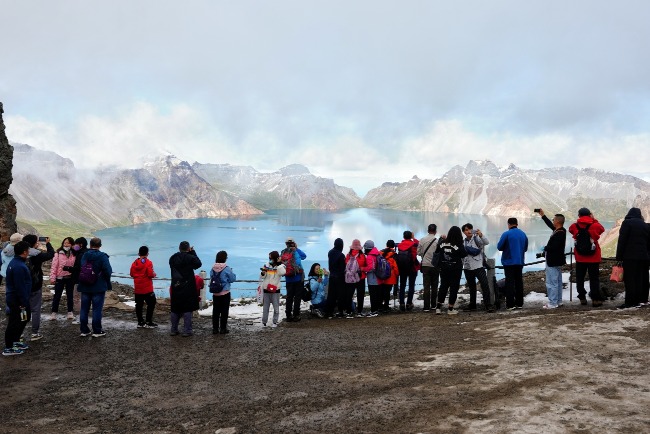
Of the 14 active volcanoes, many people will only have a slight impression of the name of the Changbai Mountain Heaven Lake Volcano, and this "impression" may stem from Changbai Mountain's Heaven Lake itself, as this lake, located on the border between China and North Korea, has long been a famous tourist attraction.
How far is the Heaven Lake Volcano from Changbai Mountain's Heaven Lake? The answer is zero distance.
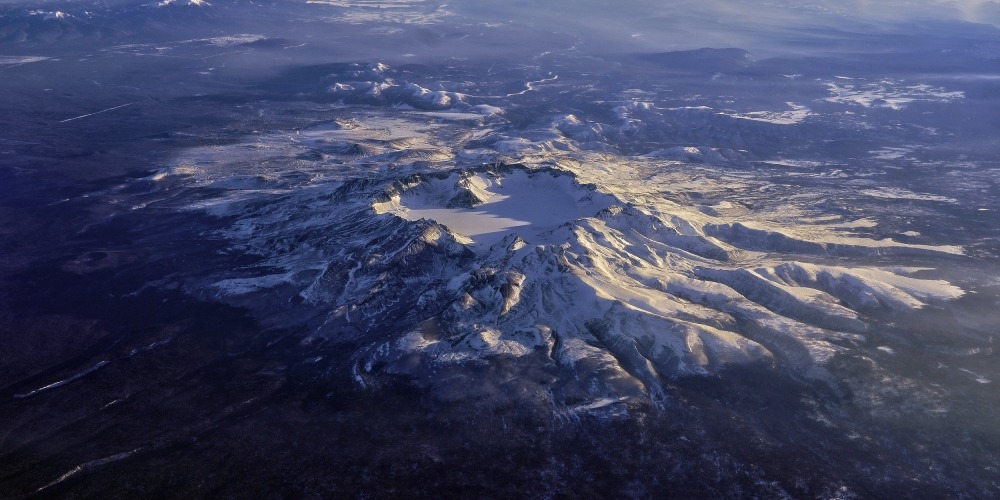
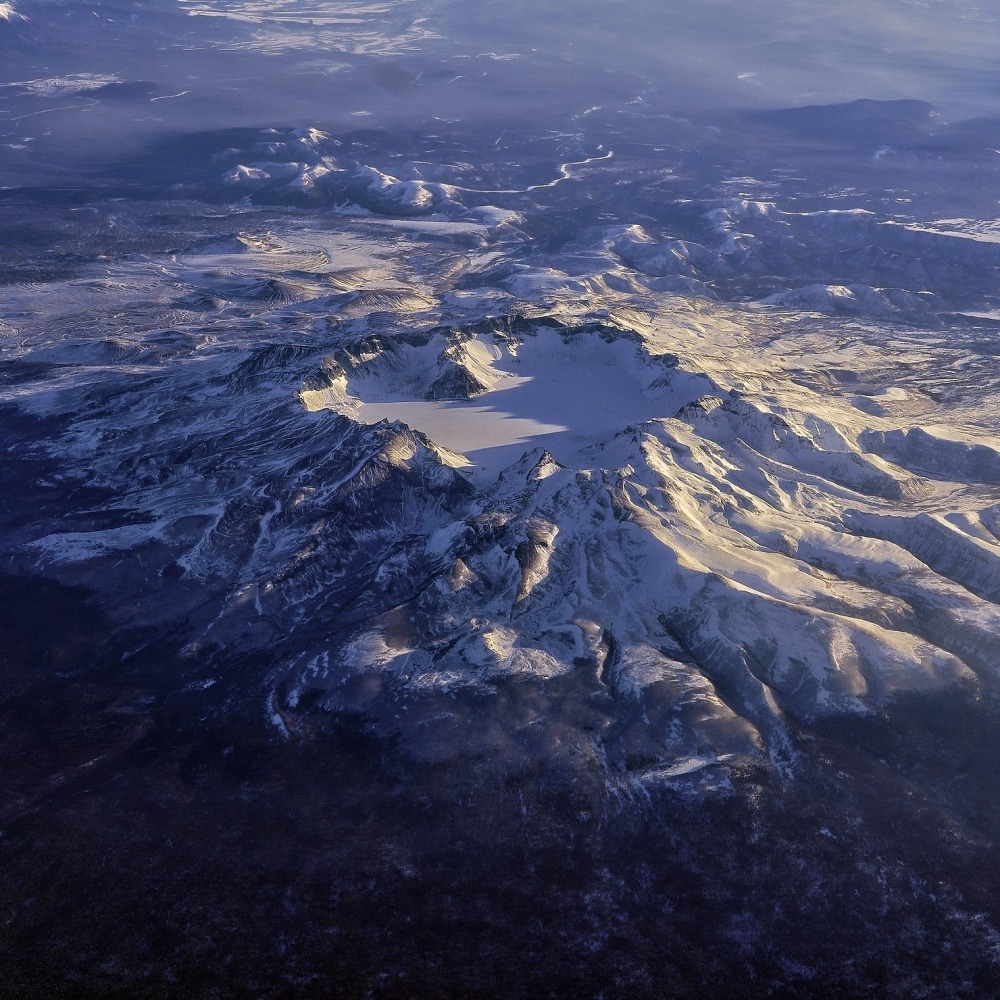
In the 41st year of the Kangxi reign of the Qing Dynasty (1702), the Changbai Mountain volcano erupted, forming a basin-shaped crater at the summit of the main peak. Heaven Lake is precisely the lake formed by the accumulation of water in the crater. Therefore, Changbai Mountain's Heaven Lake and the Heaven Lake Volcano are different concepts, but they are in the same place.
The Heaven Lake Volcano is in an active period with potential danger
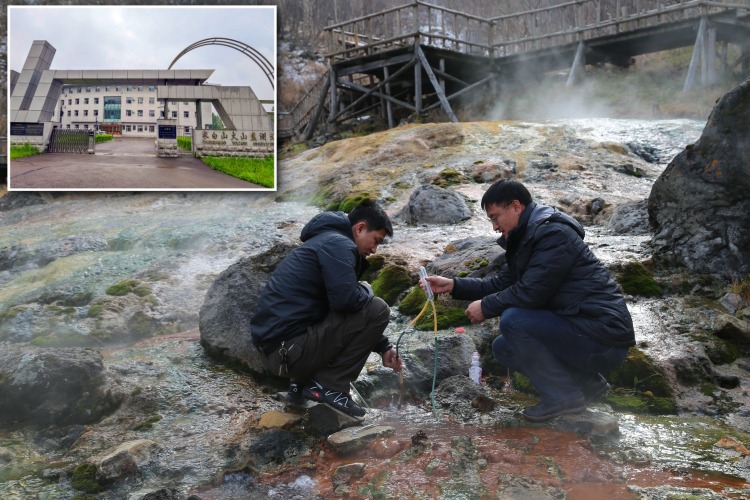
Changbai Mountain's Heaven Lake is the highest volcanic lake in the world by altitude, and it is also the deepest lake in China. Its average depth is 204 metres, with its deepest point reaching 373 metres. To put 373 metres into perspective, Central Plaza in Wan Chai, Hong Kong, is 373.9 metres tall.
It should be noted that behind the tranquil beauty and picturesque scenery of the Heaven Lake Volcano area, a danger lies hidden.
The Heaven Lake Volcano is currently in an active period. It had a minor eruption in 1903, and between 2002 and 2005, thousands of earthquakes occurred in the vicinity. Some areas even experienced unusual deformation and released volcanic gases.
Therefore, experts believe it is the volcano in China with the greatest potential danger of eruption, bar none.
Experts also point out that the silica content in the magma of the Changbai Mountain Heaven Lake Volcano reaches about 70%, and if the gas content in the magma is high, an eruption "will be explosive".
To address the situation, the authorities have established a local volcano monitoring system, compiled a hazard zoning map for the Heaven Lake Volcano, and developed volcanic disaster defence and risk avoidance plans.
Volcanic eruption in Xinjiang in 1951
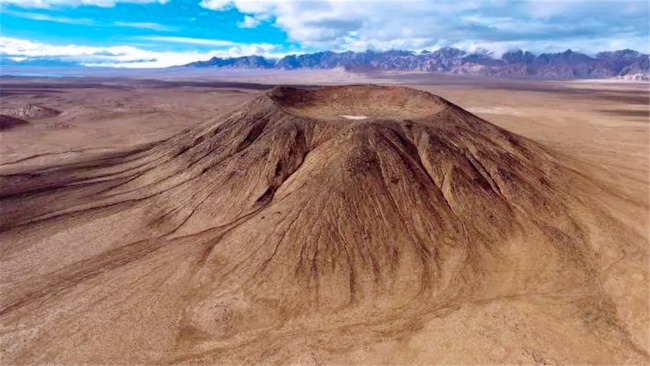
Besides the minor eruption of the Heaven Lake Volcano in 1903, the Ashikule Volcano in Yutian County (于田縣) of Xinjiang also had a larger-scale eruption on 5 July 1951.
A media report in the Xinjiang Daily at the time stated that the eruption was witnessed by workers building the Xinjiang-Xizang Highway: "During the first eruption, a tremendous rumbling sound came from a mountaintop, followed by smoke and ash rising from the summit like a large column. It then erupted three more times in succession, each separated by only a few minutes, without a loud noise, with only smoke and ash rising. In the following days, the volcano was again seen emitting smoke...".
This was the first volcanic eruption recorded after the founding of the People's Republic of China (PRC) in 1949, and it is the only one to date.
Xinjiang-Xizang Highway rerouted due to volcanic activity
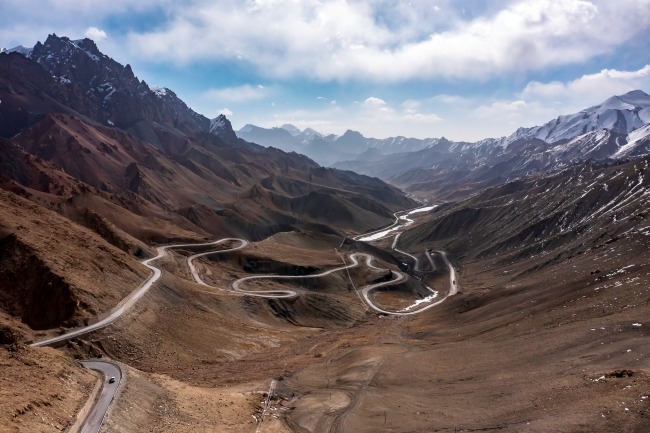
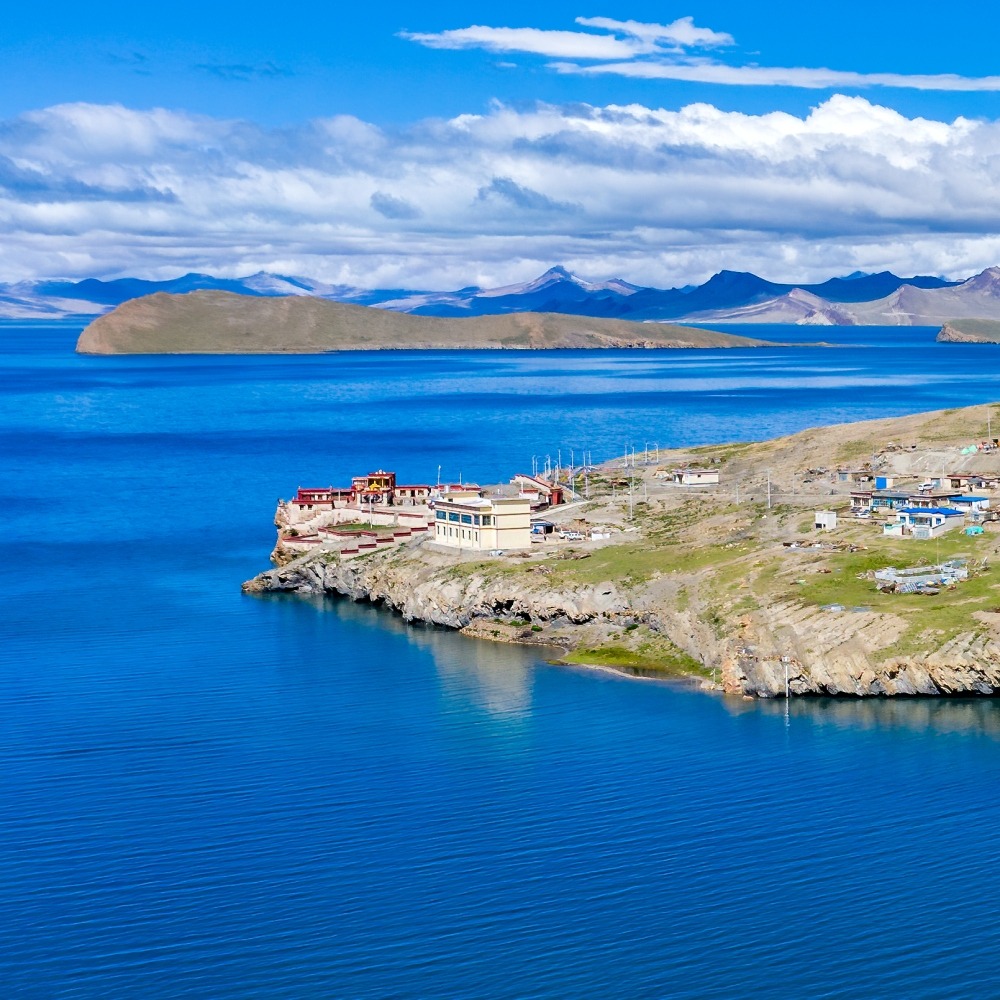
The Xinjiang-Xizang Highway (新藏公路) connects Xinjiang and Xizang (previously known as "Tibet") in China. It has an average altitude of 4,500 metres, and is described as the "sky road of sky roads".
A map shows that the highway winds southwards from Yecheng County (葉城縣) in Xinjiang's Kashgar and does not pass through the territory of Yutian County. Given that it is at least nearly 200 km from the Ashikule Volcano with large mountains in between, could the workers building the Xinjiang-Xizang Highway really have witnessed the volcanic eruption?
Originally, according to the initial plan, the route of the Xinjiang-Xizang Highway was indeed to start from Yutian and cross the Kunlun Mountains to enter Xizang, but due to a volcanic eruption in July 1951, as well as the extremely harsh geological and climatic conditions along the route, the road construction team was forced to halt work, after which the highway was rerouted to start from Yecheng, several hundred kilometres away, resulting in the Xinjiang-Xizang Highway of today.
Incidentally, there are reports that the authorities are now planning to build a new Xinjiang-Xizang Highway, with a middle route similar to the one abandoned over 70 years ago due to a volcanic eruption. Of course, today's China is an "infrastructure maniac", and obstacles of the past are no longer a major issue.
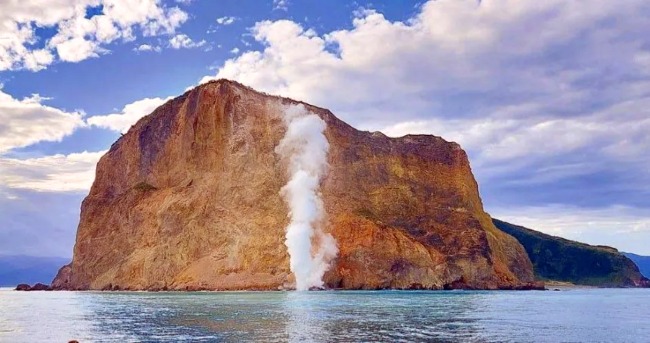
Additionally, although the last eruption of Guishan Island volcano in Taiwan was thousands of years ago, hot springs or gases with a sulphur smell, resembling white smoke, still emerge from time to time today, which is known as "Guishan Island's Sulphur Smoke" (龜島磺煙).
Read more: China's territory has an elevation difference of 9,000 m, the greatest in the world